5 Tips to Taste Wine Like a Pro
Tasting isn't just drinking: it's observing, smelling, understanding. The difference between "having a glass" and "tasting a wine" comes down to a handful of simple habits: the ones sommeliers apply without even thinking, and that you can adopt tonight.
No need for a decade of palate training or a fancy vocabulary. All it takes is a bit of method, some curiosity, and the willingness to slow down for a few minutes before the first sip. Here are five habits, in the order they come into play as you pour a glass.
Pick the right glass
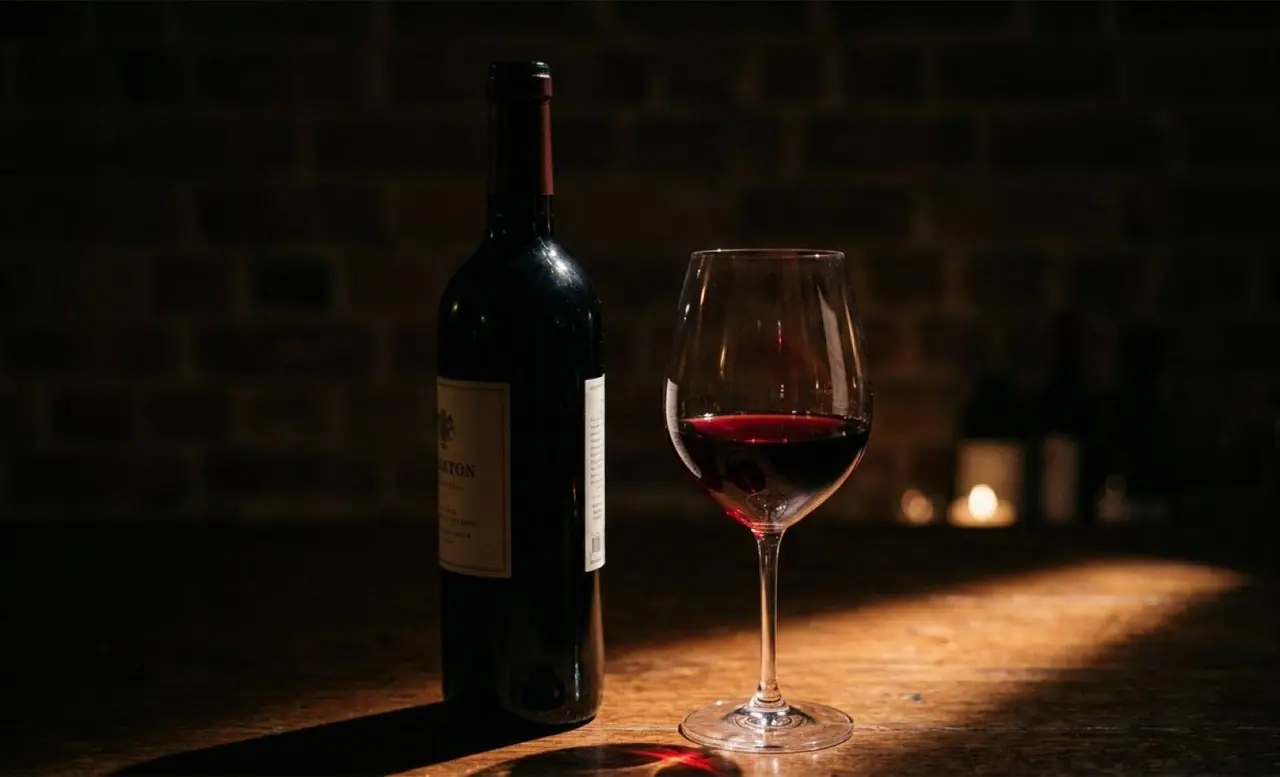
Glass shape genuinely changes how a wine tastes: that's not a sommelier myth. A tulip-shaped glass, narrower at the top, concentrates aromas toward your nose instead of letting them escape. Avoid glasses that are too small or too flared: they scatter the scent before it reaches your nostrils.
Also favor a clear, undecorated glass with no tint: it's the only way to properly observe a wine's true color, the first clue to its age and concentration.
Respect the serving temperature
A wine that's too cold loses its aromas: cold literally numbs the nose and palate. Too warm, and alcohol overwhelms every subtlety. Temperature isn't a minor detail: it's a setting you control.
Quick fix: if a full-bodied red feels too warm (which happens often in summer), a few minutes in the fridge before serving is all it takes to correct course.
Follow the eye, nose, palate method
This is the backbone of every professional tasting, and it comes down to three simple steps.
The eye. Tilt the glass at 45° against a white background: a tablecloth or a sheet of paper works fine. Observe the color (from pale yellow to deep garnet), the intensity, and the clarity. A hazy wine isn't necessarily flawed, but a brilliant one often reveals its youth or careful filtration.
The nose. Smell the wine still first: that's the "first nose," often subtle. Then swirl the glass gently to aerate it, and smell again: that's the "second nose," usually richer and more complex. Aeration literally releases new aromatic molecules.
The palate. Take a modest sip and let the wine coat your whole mouth, not just the tip of your tongue. Note the attack (first impression), the evolution (how the taste changes), and the finish (how long the aromas linger after swallowing).
Follow a tasting order
If you're tasting several wines in one sitting, the whole premise of a tasting workshop, order changes everything. The general rule: go from lightest to most powerful.
Dry white before sweet white. Young wine before aged wine. Light, fruity red before tannic, structured red. This isn't an arbitrary convention: a powerful wine literally overwhelms your perception of the more delicate wines that follow, by temporarily saturating your palate.
Take notes, even short ones
Three scribbled words in a notebook beat a fuzzy memory three weeks later. No need for a full tasting sheet: note the color, one or two standout aromas, a general impression, light, powerful, balanced, surprising, and whether you liked it.
Over time, these notes build your own tasting memory. You'll start recognizing your preferences, a grape, a region, a style, and choosing your next bottles with far more confidence.
Want to put these habits into practice?
Our sommelier-guided tastings are designed to turn these five tips into real instinct, glass after glass.
Discover our experiences